

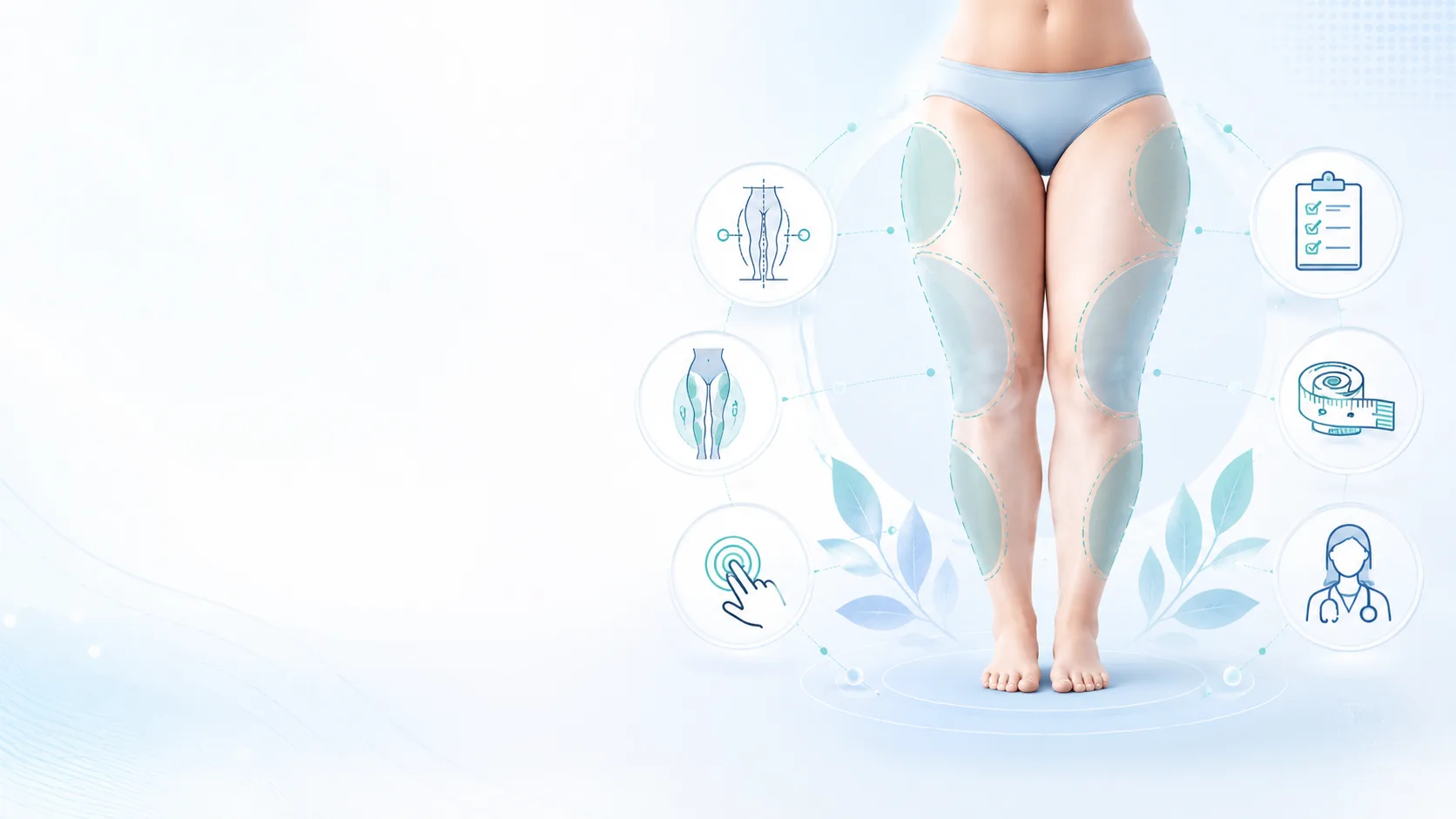
Lipödem ve tiroid sorunları aynı hastada birlikte görülebilir; fakat bu, “tiroid lipödem yapar” anlamına gelmez. Daha doğru ifade şudur: Hipotiroidi, yani tiroid bezinin vücuda yeterli hormon üretememesi; yorgunluk, kilo artışı, kabızlık, soğuğa tahammülsüzlük ve ödem hissi gibi şikayetlerle lipödemin günlük yükünü artırabilir. Lipödemin temel bulguları yine simetrik yağ dağılımı, ağrı, hassasiyet ve kolay morarma üzerinden değerlendirilir; bu nedenle tiroid konusu ayrı bir neden-sonuç ilişkisi gibi değil, eşlik eden ve tabloyu etkileyebilen bir mekanizma olarak ele alınmalıdır (Faerber ve ark., 2024; Chaker ve ark., 2017).
Tiroid hastalığı lipödemin nedeni midir?

Bugünkü literatür tiroid hastalığını lipödemin doğrudan nedeni olarak göstermez. Lipödem çok faktörlü bir yağ dokusu ve bağ dokusu sorunu olarak değerlendirilir; hormonal dönemler, genetik yatkınlık, inflamatuar sinyaller, mikrodolaşım ve lenfatik yük gibi başlıklar birlikte tartışılır (Faerber ve ark., 2024). Tiroid ise bu tablonun üzerine binen metabolik bir katman gibi düşünülebilir.
Bu ayrım hastalar için önemlidir. Çünkü hipotiroidi tedavi edildiğinde enerji, kabızlık veya ödem hissi düzelebilir; ancak bu düzelme lipödem dokusunun tamamen kaybolduğu anlamına gelmez. Bacak kalınlığının ne kadarının lipödem dokusu, ne kadarının genel kilo artışı veya sıvı yüküyle ilişkili olduğunu anlamak için lipödem ve obezite farkı tedavi planını daha doğru zemine taşır.
Tiroid sorunları lipödemli hastalarda ne sıklıkta görülüyor?
Lipödemli hastalarda tiroid sorunlarının beklenenden sık bildirildiğini gösteren çalışmalar vardır. İtalyan bir gözlemsel çalışmada hipotiroidi tanısı veya tedavi öyküsü olan hastalar birlikte değerlendirildiğinde oran yaklaşık yüzde 30 bulunmuş; otoimmün tiroidit belirteçleri de dikkat çekici düzeyde bildirilmiştir (Patton ve ark., 2024). Daha önceki bir çalışmada da hipotiroidi sıklığının yüksek olabileceği, ancak bunun lipödemle birlikte görülen obezite ve hasta seçimiyle ilişkili olabileceği belirtilmiştir (Bauer ve ark., 2019).
Bu veriler “her lipödem hastasında tiroid sorunu vardır” şeklinde okunmamalıdır. Çalışmaların bir kısmı özel kliniklerden, ileri evre veya tedavi arayan hastalardan gelir. Yine de klinik pratikte yorgunluk, kabızlık, saç dökülmesi, soğuğa hassasiyet, adet düzensizliği veya açıklanamayan kilo artışı varsa tiroid ekseninin ihmal edilmemesi gerekir.
Hipotiroidi ödem hissini ve doku gerginliğini nasıl etkiler?
Tiroid hormonları metabolizma hızını, kalp-damar sistemini, bağırsak hareketlerini, ısı üretimini ve dokuların sıvı dengesini etkiler. Hipotiroidide vücut daha yavaş çalışır; hasta bunu çoğu zaman halsizlik, üşüme, kabızlık, kilo alma ve sabahları şişlik hissi olarak anlatır (Chaker ve ark., 2017). Bazı hastalarda “miksödem” denilen, dokular arasında su tutan bazı maddelerin birikmesiyle ilişkili daha farklı bir sert şişlik görünümü de olabilir.
Lipödemde ise şikayet yalnızca sıvı birikimi değildir; ağrılı ve hassas yağ dokusu da tabloya katılır. Bu nedenle tiroid kaynaklı ödem hissi lipödemi taklit edebilir, lipödem şikayetini artırabilir veya aynı hastada iki mekanizma üst üste binebilir. Gün sonunda artan gerginlik, uzun süre ayakta kalma ve dolaşım yükü de ekleniyorsa manuel lenf drenaj ve kompresyon ile anlatılan konservatif destek, tiroid değerlendirmesinden bağımsız ama aynı bakım planı içinde anlam kazanır.
Kilo artışı neden yanlış yorumlanabilir?
Hipotiroidide kilo artışı çoğu zaman yağ artışı, sıvı tutulumu, kabızlık ve hareket azalmasının birleşimiyle oluşur. Bu artış genellikle sınırsız değildir; fakat hastanın zaten alt bedende dirençli lipödem dokusu varsa küçük değişiklikler bile bacaklarda daha ağır hissedilebilir. Burada sorun hastanın iradesizliği değildir. Metabolizma yavaşlaması, bağırsak hareketinin azalması ve ağrı nedeniyle hareketin kısıtlanması aynı haftaya birikebilir.
Bu nedenle lipödemli bir hastada kilo değişimi konuşulurken yalnızca kalori hesabı yapmak eksik kalır. Kan şekeri dalgalanmaları, protein alımı, uyku, kabızlık ve tiroid durumu birlikte değerlendirilmelidir. lipödemde beslenme bu yüzden yalnızca zayıflama listesi değil, metabolik yükü ve günlük şikayetleri daha yönetilebilir hale getiren bir düzen olarak düşünülmelidir.
Kabızlık, bağırsak düzeni ve tiroid bağlantısı
Hipotiroidi bağırsak hareketlerini yavaşlatabilir; hasta bunu karında şişlik, geç boşalma ve dışkılama aralığının uzaması şeklinde hissedebilir. Bu tablo lipödemde düşük karbonhidratlı beslenmeye hızlı geçiş, yetersiz lif, az su, elektrolit dengesizliği veya magnezyum eksikliğiyle birleşirse kabızlık daha belirgin hale gelir.
Bu noktada tiroid ilacını artırmak veya rastgele iyot kullanmak çözüm değildir. Önce tabloyu ayırmak gerekir: TSH ve serbest T4 nasıl, tiroid antikorları var mı, beslenme düzeninde lif ve sıvı yeterli mi, kabızlık ne zamandır var? lipödemde kabızlık bu sorunu yalnızca bağırsak şikayeti gibi değil, beslenme ve metabolizma ritmiyle birlikte ele almayı kolaylaştırır.
Hashimoto ve otoimmünite neden önemli?
Hashimoto tiroiditi, bağışıklık sisteminin tiroid dokusuna karşı çalıştığı otoimmün bir hastalıktır. Lipödemli kadınlarda otoimmün tiroidit belirteçlerinin yüksek olabileceğini bildiren veriler, bağışıklık sistemi, yağ dokusu ve inflamatuar sinyaller arasındaki ilişkinin daha iyi incelenmesi gerektiğini düşündürür (Patton ve ark., 2024). Bu, Hashimoto’nun lipödemi başlattığını kanıtlamaz; sadece aynı hastada birlikte görülebilen iki ayrı yük olabileceğini gösterir.
Otoimmün tiroidit varsa hastanın yorgunluğu, depresif hali, saç dökülmesi, üşümesi ve kabızlığı lipödem ağrısıyla karışabilir. Klinik açıdan en sağlıklı yaklaşım, lipödemi ayrı; tiroid fonksiyonunu ayrı ama aynı hasta planının içinde değerlendirmektir. Belirtiler tek tek değil, dağılım, ağrı, morarma, ayakların korunması ve sistemik şikayetlerle birlikte okunmalıdır; lipödem ve lenfödem farkı bu bütüncül bakışı destekleyen temel ayrımları toplar.
Hangi testler ve uzmanlıklar gündeme gelebilir?
Bu makale test isteme veya tedavi başlatma yerine geçmez. Ancak lipödemli hastada tiroid açısından şüphe varsa hekim genellikle TSH ve serbest T4 ile başlar. Duruma göre anti-TPO ve anti-tiroglobulin antikorları, tiroid ultrasonu, demir, B12, D vitamini, glukoz-insülin değerlendirmesi veya lipid profili de istenebilir. Hipotiroidi tedavisinde levotiroksin temel ilaçtır; doz ve hedefler kişinin yaşına, gebelik durumuna, kalp-damar riskine ve laboratuvar sonucuna göre hekim tarafından belirlenmelidir (Jonklaas ve ark., 2014).
Klinikte bu başlık çoğu zaman ekip yaklaşımı gerektirir. Dahiliye veya endokrinoloji tiroid tarafını, kalp ve damar cerrahisi bacak şişliği ve venöz yükü, fizik tedavi-kompresyon ekibi ise ağrı ve fonksiyon tarafını değerlendirir. Hasta açısından iyi sonuç, tek bir değerin düzelmesinden çok bu parçaların birbirini bozmadan aynı plana oturmasıyla gelir.
Beslenme ve takipte pratik yorum
Tiroid sorunu olan lipödemli hastada beslenme daha hassas planlanmalıdır. Çok düşük kalorili diyetler, kontrolsüz uzun açlıklar veya proteini fazla kısmak yorgunluğu artırabilir. Buna karşılık kan şekerini daha dengeli tutan, yeterli protein içeren, bağırsak toleransını gözeten ve sürdürülebilir bir plan çoğu hastada daha güvenlidir. Düşük karbonhidratlı veya ketojenik yaklaşım düşünülüyorsa ketojenik ve low-carb beslenme yalnızca karbonhidrat kısıtlamak değil, elektrolit, lif, protein ve ilaç zamanlamasını da hesaba katmak demektir.
Tiroid ilacı kullanan hastalarda ilacın aç alınması, bazı mineral takviyeleriyle arasına süre koyulması veya doz değişikliklerinin yalnızca hekimle yapılması gibi ayrıntılar önemlidir. Kendi kendine iyot, tiroid hormonu, metabolizma hızlandırıcı ürün veya yüksek doz takviye kullanmak özellikle Hashimoto’da tabloyu karıştırabilir.
Sonuç olarak
Lipödem ve tiroid sorunları aynı şey değildir; fakat aynı hastada buluştuğunda kilo yönetimi, ödem hissi, kabızlık, yorgunluk, uyku ve tedavi motivasyonu belirgin biçimde etkilenebilir. Tiroid değerlendirmesi lipödemi “açıklamak” için değil, hastanın şikayet yükünü artıran düzeltilebilir bir eşlikçi var mı diye bakmak için yapılmalıdır. En doğru yaklaşım, lipödem dokusunu kendi özellikleriyle tanımak, tiroid fonksiyonunu kan testleriyle netleştirmek ve beslenme, hareket, kompresyon, bağırsak düzeni ve metabolik takip başlıklarını aynı klinik plan içinde birleştirmektir.
