

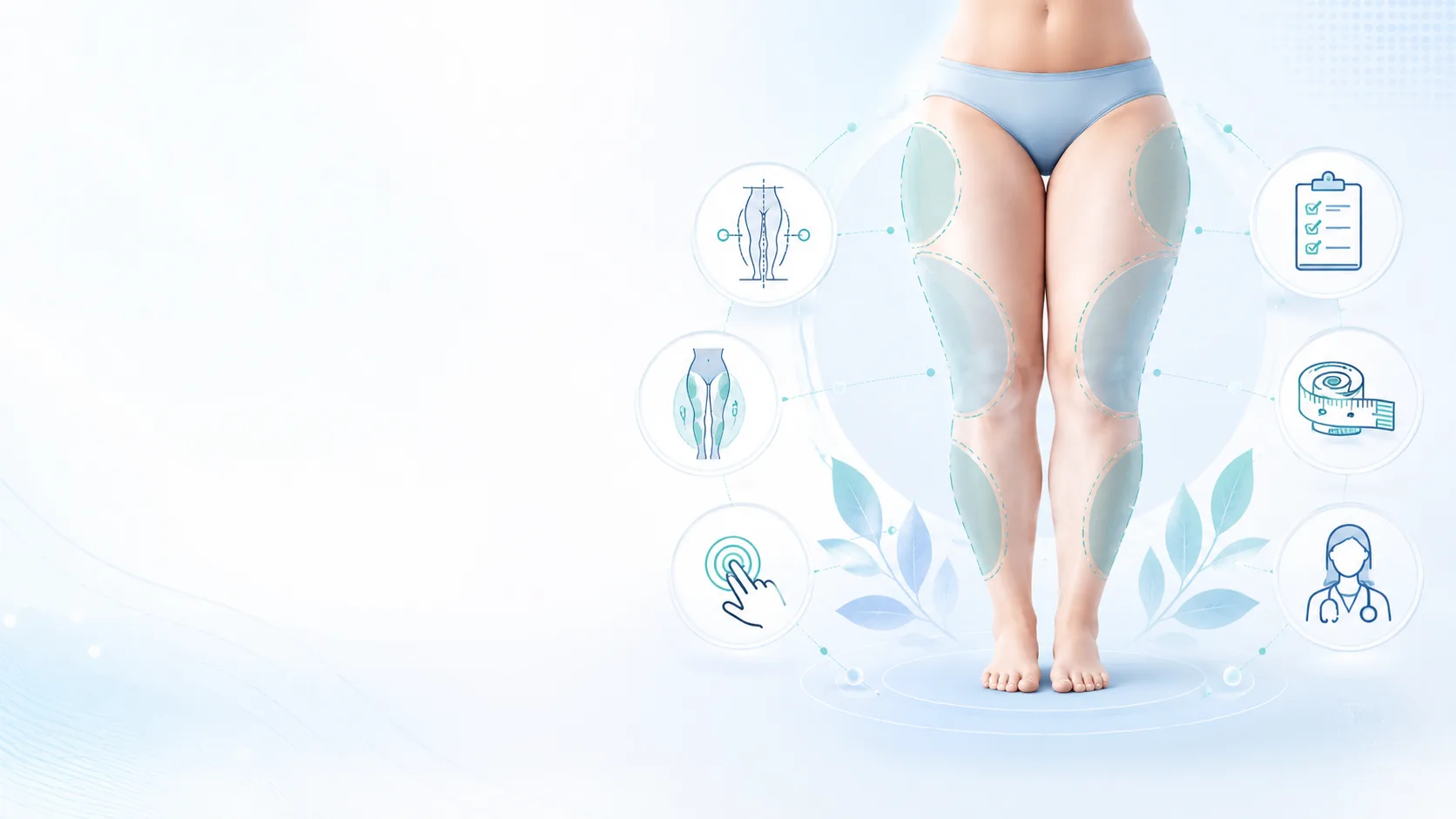
Lipödem hamileliğe engel olan bir hastalık değildir; ancak hamilelik sırasında bacaklarda şişlik, ağırlık hissi, ağrı, kilo değişimi ve dolaşım yükü daha dikkatli izlenmelidir. Burada ilk sorumlu takip noktası mutlaka kadın doğum uzmanıdır. Çünkü hamilelik yalnızca annenin bacak şikayetlerinden ibaret değildir; anne fizyolojisi, plasenta dolaşımı, bebeğin büyümesi, sıvı dengesi, tansiyon ve beslenme aynı anda düşünülür. Lipödem tarafı ise bu ana obstetrik takibin üzerine, damar, lenfatik sistem, beslenme ve hareket planı olarak eklenir. Yani en güvenli yaklaşım, lipödemi bilen hekimle kadın doğum uzmanının aynı resmi görmesidir.
Lipödem hamilelikte artar mı?
Bu sorunun tek bir cevabı yoktur. Bazı kadınlarda hamilelik sırasında lipödem şikayetleri belirginleşebilir; bazılarında ise değişim daha sınırlı kalır. Lipödemin ergenlik, hamilelik, doğum sonrası dönem ve menopoz gibi hormonal geçişlerle ilişkili olabileceği uzun zamandır tartışılır; östrojen sinyalleri, yağ dokusu, inflamasyon ve damar geçirgenliği bu tartışmanın içinde yer alır (Katzer ve ark., 2021; Lüchinger ve ark., 2026). Fakat mevcut literatür, hamile her lipödem hastasında hastalık kesin kötüleşir demek için yeterli değildir. Bu belirsizlik hastaya korku vermek için değil, takibi daha akıllı yapmak için bilinmelidir.
Hamilelikte kan hacmi artar, damar duvarı ve bağ dokusu gevşer, rahim büyüdükçe bacaklardan kalbe dönen kanın yolu mekanik olarak zorlanabilir. Bunlar lipödemi olmayan kadınlarda bile bacaklarda dolgunluk ve ödem hissi yapabilir. Lipödemli hastada bu tabloya dokunma hassasiyeti, kolay morarma, ağrı ve alt beden orantısızlığı eşlik ediyorsa lipödem belirtileri gebelikte görülen normal şişlikten farklı noktaları anlamayı kolaylaştırır.
Kadın doğum uzmanı neden sürecin merkezinde olmalı?
Hamilelikte her öneri iki fizyolojiye dokunur: annenin fizyolojisi ve bebeğin fizyolojisi. Örneğin kilo kontrolü sadece annenin bacak yükünü azaltmak için planlanamaz; bebeğin büyümesi, plasentanın kan akımı, annenin kan şekeri, tansiyonu, demir ve vitamin durumu da dikkate alınır. Bu nedenle hamile lipödem hastasında beslenme, egzersiz, kompresyon, takviye, ilaç ve cerrahi zamanlama hakkında nihai güvenlik çerçevesi kadın doğum uzmanı tarafından çizilmelidir.
Güncel lipödem kılavuzları hastalığın tanı ve tedavisinde ayırıcı tanının ve ekip yaklaşımının önemini vurgular (Faerber ve ark., 2024; Herbst ve ark., 2021). Hamilelikte bu ekip yaklaşımı daha da önem kazanır. Çünkü bacak şişliği bazen gebeliğin beklenen bir parçasıdır; bazen venöz yetmezlik, varis, lenfödem, pıhtı, tansiyon hastalıkları veya metabolik sorunlarla ilişkili olabilir. Bu ayrımda kadın doğum uzmanı, kalp ve damar cerrahisi ve gerekirse dahiliye birlikte düşünmelidir. lipödem ve lenfödem farkı bu nedenle hamilelik döneminde yalnızca teorik bir başlık değildir; güvenlik başlığıdır.
Hamilelikte bacak şişliği ne zaman normal, ne zaman uyarıcıdır?
Gün sonuna doğru iki bacakta hafif dolgunluk, ayakkabının sıkması ve sıcak havada artan ağırlık hissi sık görülebilir. Ancak ani başlayan tek taraflı bacak şişliği, baldırda yeni ve belirgin ağrı, kızarıklık, sıcaklık artışı, nefes darlığı, göğüs ağrısı, şiddetli baş ağrısı, görme bozukluğu veya tansiyon yüksekliği bekletilmemelidir. Bu bulgular lipödem ağrısı gibi yorumlanmamalı; kadın doğum uzmanı veya acil sağlık hizmetiyle hızlı değerlendirilmelidir.
Basmakla çukur bırakan ödem, ayak sırtının belirgin şişmesi veya şişliğin hızla artması lipödemden farklı bir süreci düşündürebilir. Lipödemde ağrı ve hassasiyet öne çıkabilir; fakat gebelikte yeni gelişen her ağrıyı lipödeme bağlamak doğru olmaz. lipödem ağrısı hastanın kendi ağrı dilini tanımasına yardım eder, ama hamilelikte yeni ve şiddetli bulgularda karar her zaman klinik muayeneyle verilmelidir.
Beslenme: Annenin bacağı kadar bebeğin büyümesi de düşünülür
Hamilelik döneminde amaç hızlı kilo vermek değildir. Amaç; annenin kan şekerini, sindirimini, kas dokusunu, enerji düzeyini ve bebeğin gelişimini birlikte desteklemektir. ACOG gebelikte kilo artışının gebelik öncesi beden kitle indeksi ve klinik tabloya göre izlenmesini önerir; bu yüzden kilo hedefi sosyal medyadaki genel listelerle değil, kadın doğum uzmanı ve gerekirse gebelik deneyimi olan diyetisyenle belirlenmelidir (American College of Obstetricians and Gynecologists, 2013).
Lipödemli hastalarda kan şekeri dalgalanmalarını azaltan, yeterli protein içeren, lif ve mikrobesinleri gözeten bir beslenme planı şikayet yönetimine katkı sağlayabilir. Ancak hamilelikte katı ketojenik diyet, uzun açlıklar veya hızlı eliminasyon planları kadın doğum uzmanı onayı olmadan uygulanmamalıdır. ketojenik ve low-carb beslenme genel lipödem beslenmesini anlamak için yararlıdır; hamilelikte ise bu başlık bebeğin büyümesi, keton yükü, folat, demir, iyot, D vitamini ve omega-3 gibi gereksinimlerle birlikte yeniden değerlendirilir. Daha geniş beslenme zemini için lipödemde beslenme annenin günlük planını daha anlaşılır hale getirir.
Egzersiz: Güvenli hareket, zorlayıcı performanstan daha değerlidir
Gebelikte egzersiz çoğu kadın için uygun koşullarda güvenli ve yararlı olabilir; yine de egzersiz planı gebelik haftası, kanama, erken doğum riski, plasenta yerleşimi, tansiyon, kalp-akciğer durumu ve bebeğin gelişimi dikkate alınarak kadın doğum uzmanıyla konuşulmalıdır (Syed ve ark., 2021). Lipödemli hastada amaç yüksek performans değil, kas pompasını çalıştırmak, eklem yükünü azaltmak ve ağrıyı artırmayan bir ritim bulmaktır.
Yürüyüş, su içi egzersiz, nefes çalışması, hafif direnç egzersizleri ve gebeliğe uygun mobilite çalışmaları bazı hastalarda daha tolere edilebilir. Ama sıçrama, düşme riski yüksek aktiviteler, aşırı sıcak ortam, nefesi tutarak yapılan zorlayıcı hareketler ve ağrıyı belirgin artıran egzersizler gözden geçirilmelidir. lipödem egzersizleri bu bakışı lipödem tarafında açıklar; hamilelikte son söz yine kadın doğum uzmanının güvenlik değerlendirmesidir.
Kompresyon ve manuel lenf drenaj hamilelikte kullanılabilir mi?
Kompresyon çorapları veya taytlar bazı hamilelerde bacak ağırlığı, gün sonu dolgunluğu ve venöz yük açısından faydalı olabilir. Ancak basınç derecesi, model, karın bölgesine baskı yapmayan tasarım ve kullanım süresi kişiye göre seçilmelidir. Varis, venöz yetmezlik, belirgin ödem veya pıhtı riski varsa kalp ve damar cerrahisi değerlendirmesi de önem kazanır.
Manuel lenf drenaj, yani lenf sıvısının nazik ritmik hareketlerle yönlendirilmesi, bazı hastalarda rahatlama sağlayabilir. Hamilelikte karın, kasık ve derin bası içeren uygulamalardan kaçınılmalı; uygulama kadın doğum uzmanının bilgisiyle, gebelik deneyimi olan uzmanlar tarafından planlanmalıdır. manuel lenf drenaj ve kompresyon bu yöntemin lipödemdeki yerini anlatır; hamilelikte ise güvenlik filtresi daha sıkıdır.
Hamilelik öncesi liposuction yaptırmak gerekir mi?
Bu konuda tek bir doğru zaman yoktur. Pratik kaynaklarda, hamilelik planı olan hastalarda liposuction zamanlamasının bireyselleştirilmesi gerektiği, çocuk sahibi olma isteğinin yalnızca lipödem kötüleşir korkusuyla ertelenmemesi gerektiği vurgulanır (Jandali ve ark., 2022). Hamilelik öncesi liposuction yapılmış olsa bile gebelikte doku değişimi, kilo artışı veya sarkma olabilir; hamilelik sonrasında da bazı bölgeler yeniden değerlendirme isteyebilir.
Hamilelik sırasında liposuction yapılmaz. Hamilelik öncesi veya sonrası cerrahi kararında kadın doğum uzmanı, lipödemi takip eden hekim ve cerrahi ekip birlikte düşünmelidir. Burada asıl amaç hastayı ameliyata yönlendirmek değil; annelik planı, gebelik güvenliği, doğum sonrası toparlanma ve lipödem şikayetleri arasında gerçekçi bir sıra kurmaktır.
Doğum sonrası dönem neden ayrıca planlanmalı?
Doğum sonrası dönemde sıvı dengesi, uyku, emzirme, beslenme düzeni, yara iyileşmesi, hormonlar ve hareket düzeyi hızla değişir. Bazı hastalarda bacaklardaki dolgunluk zamanla azalabilir; bazılarında ağrı, hassasiyet veya doku gerginliği devam edebilir. Bu dönemde de kadın doğum uzmanı, özellikle emzirme ve ilaç-takviye güvenliği açısından merkezi kişidir.
Emzirme döneminde hızlı kilo verme baskısı doğru değildir. Protein, sıvı, mineral ve yeterli enerji alımı hem annenin toparlanması hem de süt üretimi için önemlidir. Kompresyon, yürüyüş ve hafif egzersizler doğum şekline, kanama durumuna, dikişlere, sezaryen iyileşmesine ve doktor kontrolüne göre başlatılmalıdır.
Hasta bu yazıdan ne çıkarmalı?
- Hamilelik lipödem hastaları için otomatik olarak yasak veya tehlikeli bir dönem değildir; ama daha yakın takip ister.
- Kadın doğum uzmanı sürecin merkezinde olmalıdır, çünkü bebeğin gelişimi ve annenin fizyolojisi birlikte değerlendirilir.
- Yeni, tek taraflı veya şiddetli bacak şikayetleri lipödem diye geçiştirilmemelidir.
- Kilo yönetimi hızlı zayıflama değil, sağlıklı gebelik aralığında kontrollü takip anlamına gelir.
- Egzersiz, kompresyon, masaj, takviye ve beslenme planı hamilelik güvenliği filtresinden geçirilmelidir.
- Hamilelik öncesi veya sonrası cerrahi kararlar aceleyle değil, doğurganlık planı ve doğum sonrası toparlanma hesaba katılarak verilmelidir.
- Belirtilerinizi düzenli not etmek hekime daha net bilgi verir; lipödem self-test tanı koymaz, görüşmeye hazırlanmayı kolaylaştırır.
Kısa sonuç
Lipödem ve hamilelik birlikte yönetilebilir; fakat bu yönetim tek başına lipödem mantığıyla yapılmaz. Gebelikte anne dolaşımı, hormonlar, kilo artışı, ödem, bebeğin büyümesi ve doğum sonrası dönem aynı planın içinde düşünülür. En doğru yaklaşım, kadın doğum uzmanının takibini merkeze almak ve lipödem tarafını damar, beslenme, hareket ve kompresyon desteğiyle kişiselleştirmektir.