

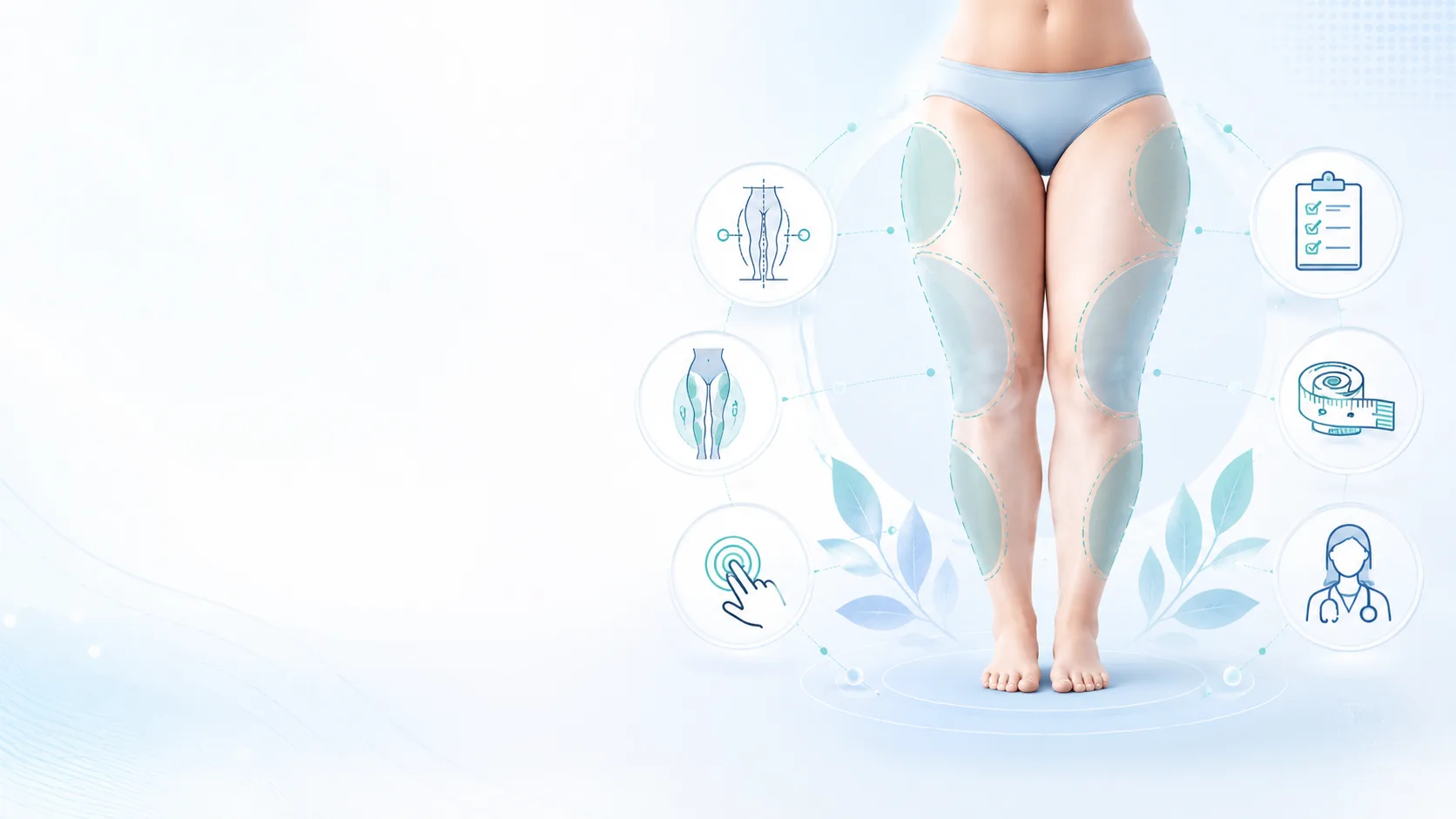
LIPODIET pilot çalışması, lipödemde düşük karbonhidrat-yüksek yağ içerikli beslenmenin ağrı ve yaşam kalitesiyle ilişkisini araştıran küçük ama dikkat çekici bir müdahale çalışmasıdır. Çalışmanın en önemli mesajı şudur: yedi haftalık LCHF/ketojenik beslenme döneminde ağrı azalmış ve yaşam kalitesi artmıştır; ancak örneklem çok küçüktür, kontrol grubu yoktur ve ağrı, daha sonra Nordic beslenme önerilerine geçildiğinde başlangıç düzeyine dönmüştür (Sørlie ve ark., 2022). Bu nedenle sonuç, “ketojenik diyet lipödemi tedavi eder” şeklinde değil, “karbonhidrat kısıtlaması bazı lipödem hastalarında ağrı algısı ve günlük yaşam yüküyle ilişkili olabilir” şeklinde okunmalıdır.
Çalışma neyi sordu?


Araştırmanın temel sorusu, ökalorik olarak planlanan yani teoride kilo korumayı hedefleyen düşük karbonhidrat-yüksek yağ beslenmenin lipödemli kadınlarda ağrı, yaşam kalitesi, vücut ağırlığı ve vücut kompozisyonu üzerinde nasıl bir etki göstereceğiydi. Bu soru önemlidir; çünkü hastalar lipödem dokusunun klasik diyet ve egzersize dirençli olduğunu sık duyar, fakat aynı zamanda ağrı, ağırlık hissi ve günlük fonksiyon için lipödemde beslenme tarafında yapılabilecek gerçekçi düzenlemeleri merak eder.
Çalışma tipi, yöntem ve örneklem
Bu çalışma prospektif, tek kollu bir pilot beslenme müdahalesidir; randomize kontrollü çalışma değildir. Çalışmaya lipödem tanısı olan, bacak tutulumu bulunan, 18-75 yaş aralığında ve BMI değeri 30-45 kg/m2 arasında olan dokuz kadın dahil edilmiştir. Katılımcılar yedi hafta LCHF/ketojenik modele yakın bir diyet uygulamış, ardından altı hafta Nordic beslenme önerilerine geçmiştir. Ağrı görsel analog skala ile, yaşam kalitesi lenfödem yaşam kalitesi anketiyle, ağırlık ve vücut kompozisyonu ise başlangıç, yedinci hafta ve on üçüncü haftada değerlendirilmiştir (Sørlie ve ark., 2022).
Ana bulgular: aynı, yeni ve ilginç olan ne?
Yedi haftalık LCHF döneminde ortalama 4,6 kg ağırlık kaybı ve ağrıda 2,3 cm azalma bildirilmiştir. İlginç nokta, ağrı azalmasının kilo kaybı miktarıyla anlamlı korelasyon göstermemesidir. Başka bir deyişle, bu küçük çalışmada ağrıdaki değişim yalnızca tartıdaki düşüşle açıklanamamıştır. On üçüncü haftada kilo büyük ölçüde korunmuş, fakat ağrı başlangıç düzeyine dönmüştür. Bu bulgu, ketozis, karbonhidrat yükü, doku sıvısı, inflamatuvar sinyaller veya ağrı algısı gibi mekanizmaların ayrıca araştırılması gerektiğini düşündürür; ancak bunların hiçbiri bu pilot çalışmayla kesinleştirilmiş değildir (Sørlie ve ark., 2022).
Yeni olan taraf, lipödemde ağrı şikayetinin beslenme bileşimiyle kısa vadede değişebileceğine dair klinik bir sinyal vermesidir. Tekrar eden taraf ise lipödemin yalnızca kilo meselesi olmadığıdır. Hastanın ağrısı, hassasiyeti ve günlük yaşam zorluğu çoğu zaman tartıdan daha karmaşık ilerler; lipödem ağrısı bu nedenle beslenme çalışmalarını değerlendirirken de akılda tutulması gereken temel başlıklardan biridir.
Önceki ve sonraki literatürle nasıl örtüşüyor?
LIPODIET’in verdiği sinyal, daha sonra yayımlanan randomize kontrollü çalışmayla kısmen güçlenmiştir. Lundanes ve arkadaşlarının 2024 çalışmasında 70 kadın düşük karbonhidratlı veya düşük yağlı düşük enerjili diyete randomize edilmiş; düşük karbonhidrat kolunda ağrı azalması kontrol diyetinden daha belirgin bulunmuştur (Lundanes ve ark., 2024a). Aynı araştırma hattının MRI temelli ikincil analizinde, düşük karbonhidrat kolunda baldır subkutan yağ dokusu alanı, baldır çevresi ve ağrıda azalma bildirilmiş; ancak her iki grupta kas alanı veya yağsız kütle kaybı da görülmüştür (Lundanes ve ark., 2024b). Bu bulgular LIPODIET’in “ağrı yalnızca kilo kaybı değildir” mesajını destekler, fakat kas kaybı riski nedeniyle planın protein, direnç egzersizi ve takip boyutunu da gündeme getirir.
2024 tarihli bir sistematik derleme ve meta-analiz, LCHF/ketojenik çalışmaların vücut ağırlığı, BMI, çevre ölçümleri ve ağrı duyarlılığında azalmayla ilişkili olduğunu bildirmiştir; fakat dahil edilen çalışmaların sayısı sınırlıdır ve kalite değerlendirmeleri temkinli yorum gerektirir (Amato ve ark., 2024). Buna karşılık 2025 tarihli bir sistematik derleme, dokuz çalışmanın heterojen olduğunu, risk yanlılığının çoğu çalışmada orta-yüksek düzeyde bulunduğunu ve beslenme yaklaşımlarının klinik etkisinin hâlâ netleşmediğini vurgulamıştır (de Oliveira ve ark., 2025). Güncel S2k kılavuzunun multidisipliner yaklaşımı öne çıkarması da bu nedenle önemlidir; beslenme, manuel lenf drenaj ve kompresyon ve hareket planı aynı klinik çerçevenin parçaları olarak düşünülmelidir (Faerber ve ark., 2024).
Kanıt gücü ve sınırlılıklar
- Güçlü tarafı: Lipödemli kadınlarda ağrı ve yaşam kalitesini doğrudan ölçen erken dönem, klinik olarak anlamlı bir pilot çalışmadır.
- En önemli sınırlılık: Dokuz kişilik örneklem ve kontrol grubu eksikliği, nedensellik kurmayı engeller.
- Kısa takip: Ağrı azalmasının sürdürülebilirliği gösterilememiştir; Nordic beslenme döneminde ağrı geri dönmüştür.
- Genellenebilirlik: Sonuçlar tüm lipödem evrelerine, obezitesi olmayan hastalara, farklı yaş gruplarına veya uzun dönem uygulamaya doğrudan taşınamaz.
- Ölçüm yorumu: Ağrı özbildirime dayanır; bu hasta deneyimi için değerlidir, fakat plasebo etkisi, beklenti ve günlük dalgalanmalar dışlanamaz.
Klinik pratikte ne anlama gelir?
Bu çalışma, ketojenik ve low-carb beslenme yaklaşımının bazı lipödem hastalarında ağrı ve yaşam kalitesi açısından denenebilir bir beslenme modeli olabileceğini düşündürür. Fakat pratik karar, hastanın böbrek-karaciğer durumu, diyabet ilaçları, gebelik-emzirme durumu, yeme davranışı öyküsü, lipid profili, egzersiz kapasitesi ve sürdürülebilirlik açısından kişiselleştirilmelidir. Lipödemde amaç yalnızca kilo kaybı değildir; ağrının azalması, kas dokusunun korunması, bağırsak düzeni, uyku, hareket toleransı ve uzun vadeli sürdürülebilirlik birlikte değerlendirilmelidir.
Hastalar bu sonucu nasıl yanlış anlamamalı?
Bu sonuç, ketojenik beslenmenin lipödem dokusunu tamamen ortadan kaldırdığı anlamına gelmez. Ayrıca “kilo verince lipödem biter” sonucunu da desteklemez; çünkü LIPODIET’te ağrı azalması kilo kaybıyla doğrudan ilişkili bulunmamış, sonrasında kilo korunurken ağrı geri dönmüştür. Bu ayrımı doğru kurmak için lipödem kilo verince geçer mi sorusu hâlâ çok önemlidir. Benzer şekilde lipödem ile obezite birlikte bulunabilir, fakat aynı şey değildir; lipödem ve obezite farkı bu çalışmayı abartmadan yorumlamaya yardım eden temel klinik ayrımdır.
Açık kalan sorular
Hâlâ yanıtlanması gereken sorular nettir: Ağrıdaki azalma ketozise mi, karbonhidrat azalmasına mı, enerji alımındaki farklara mı, doku sıvısına mı, inflamasyona mı, yoksa bunların birlikte etkisine mi bağlıdır? Hangi lipödem evresi ve tipi daha fazla yanıt verir? Uzun dönemde kas kaybı nasıl önlenir? Beslenme planı hastanın psikolojik yükünü ve yeme davranışını nasıl etkiler? LIPODIET bu soruları çözmedi; fakat daha güçlü randomize çalışmalara kapı açan önemli bir erken sinyal verdi.