

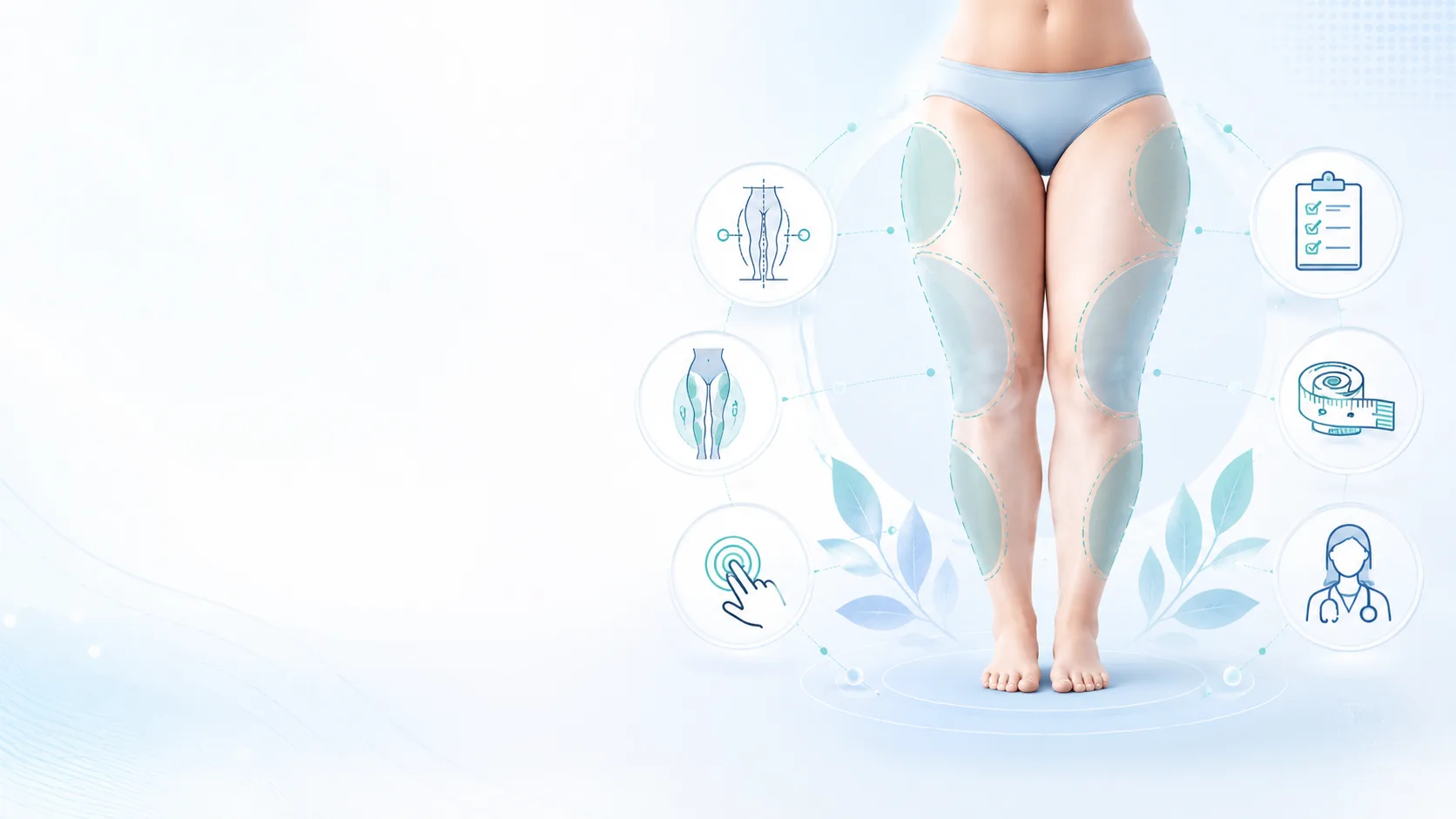

Manuel lenf drenajı ve kompresyon, doğru beklentilerle konservatif bakımda destekleyici adımlar olarak kabul edilmektedir.
Manuel lenf drenajı ve kompresyon, lenfödemde yağ dokusunu ortadan kaldırma yöntemleri değildir. Daha doğru bir beklenti, bunların bacaklardaki ağırlık hissini, doku gerginliğini, günün sonunda doluluk hissini ve bazı hastalarda ağrı algısını yönetmeye yardımcı olabileceğidir. Bu destekler tanıyı değiştirmez; lenfödem, venöz yetmezlik ve genel kilo alımının belirtileri bir arada değerlendirilmelidir. Özellikle bacak ağrısı, kolay morarma ve simetrik kalınlaşma gibi bulgular mevcutsa, lenfödem belirtileri tüm resmi yorumlamak için daha sağlam bir temel sağlar.
Manuel lenf drenajı lenfödemde neyi hedefler?
Manuel lenf drenajı, lenf akışını desteklemeyi amaçlayan cilt ve yüzeyel dokulara uygulanan nazik bir tekniktir. Lenfatik sistem, fazladan sıvı ve bazı proteinleri dokulardan dolaşıma geri döndürmeye yardımcı olan bir ağdır. Lenfödemdeki sorun yalnızca sıvı birikimi değildir; altta yatan sorun ağrılı ve orantısız yağ dağılımıyla ilişkilidir. Bu nedenle, manuel lenf drenajının amacı lenfödem yağını çözmek değil, doku gerginliğini ve ağırlık hissini azaltmaya yardımcı olmaktır (Faerber ve diğ., 2024; Herbst ve diğ., 2021).
Bazı hastalar, bir seanstan sonra bacaklarında daha hafif hissetme, dokunuşa daha az hassas olma veya hareket ederken daha fazla konfor bildirmektedir. Bu yanıt her hasta için aynı değildir. Ağrı baskınsa, venöz yetmezlik varsa veya lenfödem ilerlemişse, tedavi planı değişebilir; lenfödem ile lenfödem arasındaki fark, masajdan önce altta yatan durumu doğru bir şekilde tanımlamanın neden bu kadar önemli olduğunu gösterir.

Konservatif destekler farklı hedeflere yöneliktir; beklenti yağ kaybı değil, semptom yönetimidir.
Kompresyon lenfödemde nasıl yardımcı olabilir?
Kompresyon, gün boyunca aşırı doku gerilimini sınırlamayı ve dışarıdan kontrollü basınç uygulayarak kas pompasının etkisini desteklemeyi amaçlar. Kas pompası, özellikle yürüme sırasında, özellikle baldır kaslarının kullanımıyla venöz ve lenf dönüşümüne yardımcı olur. Bu nedenle, kompresyon tek başına bir tedavi olarak değerlendirilmemelidir; hareket ve günlük rutinlerle birlikte çalışan bir destek olarak görülmelidir. Kompresyonun lenfödem yağını yakacağı veya hastalığı ortadan kaldıracağı beklentisi yanlıştır (Herbst ve diğ., 2021).
Pantolon, çorap veya özel kompresyon giysileri seçimi rastgele yapılmamalıdır. Basınç sınıfı, kumaş türü, bel ve kasık çevresindeki uyum, dizin arkasındaki katlama, cilt hassasiyeti ve hastanın günlük hareketi birlikte değerlendirilmelidir. Kompresyon giysilerini yalnızca sıkı kıyafetler olarak görmek sıklıkla hayal kırıklığına yol açar; lenfödem taytları, bu giysilerin etkili olabileceği yerleri ve abartılı beklentilerin nereden doğabileceğini pratik olarak göstermektedir.
Manuel lenf drenajı ve kompresyon birlikte mi düşünülmelidir?
Birçok hasta için en iyi yaklaşım tek bir yönteme güvenmek değil, tamamlayıcı yöntemleri planlamaktır. Manuel lenf drenajı doku gerginliğini azaltmaya yardımcı olabilir; kompresyon, bu gevşemeyi gün boyunca korumayı destekleyebilir. Ancak, bu ikili, beslenme, yürüyüş, su temelli egzersizler, direnç antrenmanı, uyku ve metabolik izleme ile ayrı düşünüldüğünde tamamlanmamış bir plan oluşturur.
Hareket burada özellikle önemlidir. Kompresyon altında yapılan düşük etkili yürüyüş veya su temelli egzersizler, baldırlardaki kas pompasının daha düzenli bir şekilde aktive olmasına yardımcı olabilir. Lenfödemde egzersizin amacı hastayı zorlamak değil, dolaşımı ve eklem yükünü güvenli sınırlar içinde yönetmektir; lenfödem egzersizleri, bu nedenle masaj ve kompresyon gibi aynı konservatif yaklaşımın hareket boyutunu tamamlar.
Evde uygulama güvenli mi?
Evde güçlü masaj yapmak, morarmış veya hassas dokuları ovuşturmak veya ağrılı alanlara uzun süreli basınç uygulamak yanlıştır. Lenfödem dokusu zaten basınca hassas olabilir. Eğitim olmadan yapılan sert uygulamalar, cilt tahrişine, morarmaya veya ağrının artmasına neden olabilir. Evdeki destek, daha çok nefes egzersizleri, cilt bakımı, nazik rehberlik, bacakları dinlendirmek için uygun pozisyonlar alma ve düzenli hareket alışkanlığı geliştirmek etrafında şekillenmelidir.
Bazı hastalar, profesyonel tedaviden sonra kendilerine öğretilen nazik tekniklerle evde destek sağlayabilirler. Buradaki sınır önemlidir: evde uygulama, tanıyı veya tedaviyi değiştirmemelidir. evde manuel lenf drenajı, bu ayrımı özellikle güvenlik, eğitim ve beklenti yönetimi açısından ele almaktadır.
Vasküler değerlendirmenin öncelikli olarak yapılması gereken durumlar nelerdir?

Bazı bulgularda masajı ertelemek ve öncelikle tıbbi bir değerlendirme almak daha güvenlidir.
Günün sonunda bacaklardaki artan ağırlık her zaman lenfödemden kaynaklanmaz. Varisli damarlar, venöz yetmezlik, uzun süre ayakta durma, ilaç kaynaklı sıvı birikimi veya lenfödem de tabloya katkıda bulunabilir. Venöz yetmezlik, bacak damarlarının kanı kalbe etkin bir şekilde geri döndüremediği durumlarda ortaya çıkar. Bu durumda kompresyon faydalı olabilir; ancak, sebebin doğru bir şekilde anlaşılması kritik öneme sahiptir (Kruppa ve diğ., 2020; Bindlish ve diğ., 2023).
Eğer ani tek taraflı şişlik, yeni gelişen baldırlarda şiddetli ağrı, kızarıklık, artan sıcaklık, nefes darlığı veya göğüs ağrısı varsa masaj yapılmamalı ve acil değerlendirme düşünülmelidir. Lenfödem ve vasküler hastalıkların örtüşebileceği dikkate alındığında, lenfödem ve venöz yetmezlik, akşam ağırlığını, varisleri ve ödemi daha güvenli bir klinik çerçevede konumlandırır.
Hastanın makaleden çıkaracağı ders nedir?
Manuel lenf drenajı ve kompresyon lenfödem için mucizevi tedavi yöntemleri olarak sunulmamalıdır. Bunlar doğru hasta, doğru ölçüm, doğru basınç, düzenli hareket ve eşlik eden vasküler/lenfatik sorunların değerlendirilmesi ile anlam kazanır. Eğer lenfödem mevcutsa veya belirgin bir ödem varsa, karmaşık dekonjestif tedavi ilkeleri devreye girebilir; bu alanda, kompresyon, egzersiz, cilt bakımı ve manuel lenf drenajı uygun hasta için bir arada değerlendirilebilir (Uluslararası Lenfoloji Derneği, 2020).
Kısacası, masaj ve kompresyon lenfödemi ortadan kaldırmaz, ancak bazı hastalar için günü daha yönetilebilir kılabilir. Tedavi planındaki değerleri, gerçekçi beklentilere ve diğer konservatif adımlarla birlikte kullanılmalarına bağlıdır.