

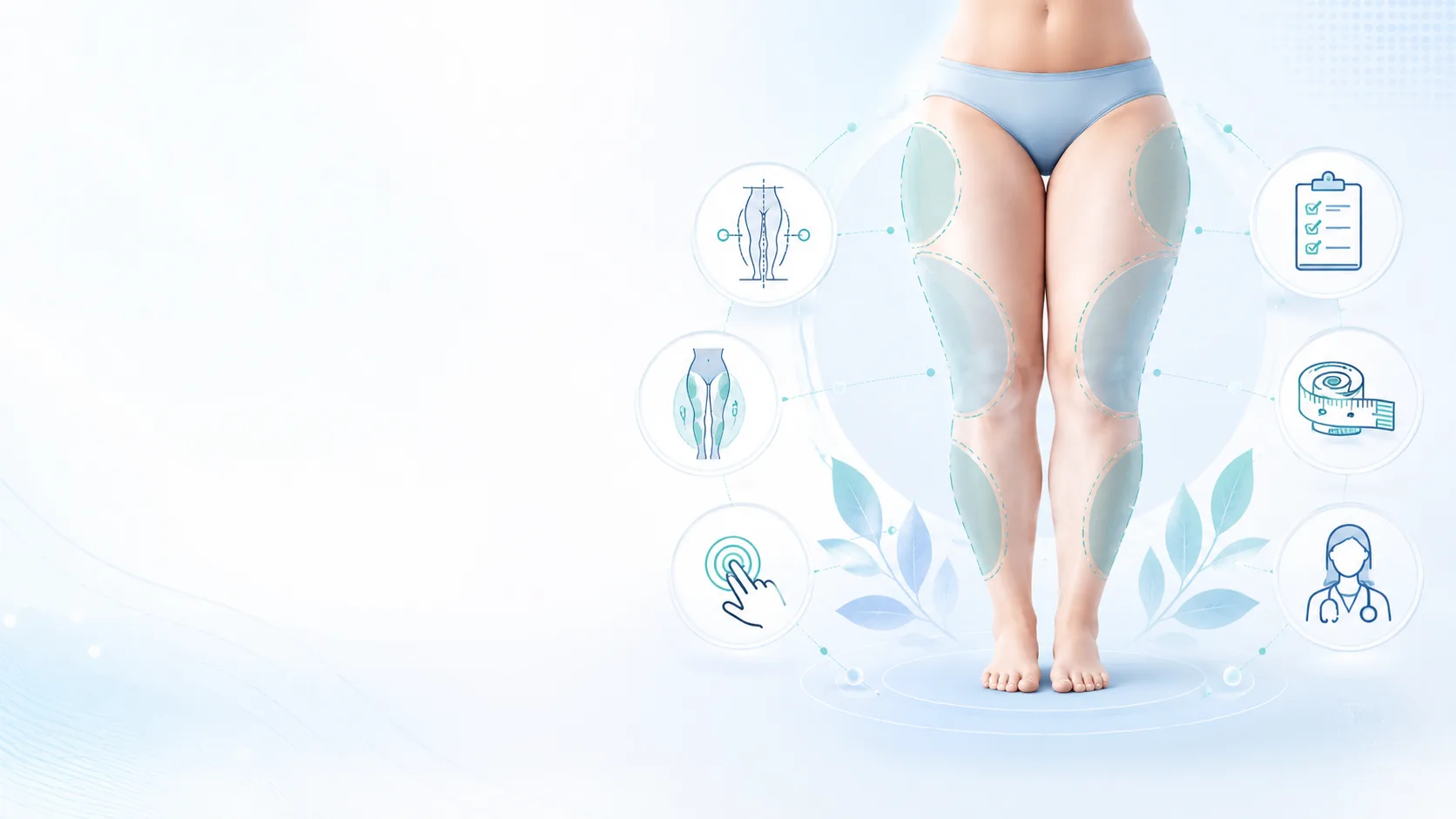
Al-Ghadban ve ark. (2026) tarafından gerçekleştirilen bu çalışma, lipödemin patofizyolojisindeki vasküler değişimlerin cerrahi yönetim üzerindeki etkilerini detaylı bir şekilde ele almaktadır. Araştırma, mevcut literatürdeki bilgilerin ötesine geçerek, lipödem cerrahisinde yeni bir bakış açısı sunmakta ve özellikle bu durumun hastaların iyileşme süreçlerine olan katkılarını vurgulamaktadır. Vasküler değişimlerin, cerrahi müdahalelerin etkinliğini nasıl etkilediğine dair önemli bulgulara ulaşılmıştır.
Vasküler Değişimlerin Rolü
Al-Ghadban ve arkadaşlarının çalışmasında elde edilen bulgular, lipödemin patofizyolojisinde vasküler değişimlerin kritik bir rol oynadığını göstermektedir. Bu değişimler, sadece klasik yağ dokusu değişiklikleriyle değil, aynı zamanda damar yapısındaki bozulmalarla da ilişkilidir. Araştırmanın bulguları, bu faktörlerin cerrahi müdahalelerin başarısını nasıl etkilediği konusunda önemli ipuçları sunmaktadır. Klinik deneyimlerimle de örtüşen bu veriler, vasküler değişimlerin cerrahinin etkinliğini artırmakta ve hastaların iyileşme süreçlerine olumlu katkılarda bulunduğunu ortaya koymaktadır.
Yeni Cerrahi Teknikler
Bu çalışma, lipödem cerrahisinde uygulanan yeni minimal invaziv tekniklerin etkinliğini kapsamlı bir şekilde incelemektedir. Bu teknikler, hastaların iyileşme sürelerini kısaltmakta ve komplikasyon risklerini önemli ölçüde azaltmaktadır. Kendi klinik pratiğimde de, bu tür yenilikçi yöntemlerin uygulanmasının hasta memnuniyetini artırdığını ve ağrı seviyelerini düşürdüğünü gözlemledim. Minimal invaziv yaklaşımlar, cerrahinin hasta üzerindeki olumsuz etkilerini minimize ederek, daha hızlı bir iyileşme süreci sağlamaktadır. Örneğin, lipödem cerrahisinde kullanılan lazer destekli liposuction ve ultrasonik liposuction gibi tekniklerin, geleneksel yöntemlere göre daha az invazif olması, hastaların postoperatif iyileşme sürelerini önemli ölçüde kısaltmaktadır.
Sonuç ve Klinik Uygulamalar
Bu çalışma, lipödem cerrahisinde vasküler faktörlerin önemini vurgulamakta ve aynı zamanda yeni cerrahi yaklaşımlar sunmaktadır. Al-Ghadban ve arkadaşlarının çalışması, diğer makalelerle kıyaslandığında ([1]), lipödemin patofizyolojisi üzerine daha geniş bir perspektif sunduğundan, lipödem yönetiminde daha bütüncül bir strateji geliştirilmesine olanak tanımaktadır. Klinik pratiğimde, bu yeniliklerin uygulanması hastalarımın tedavi süreçlerini daha etkili hale getirerek yaşam kalitelerini artırmaktadır. Sonuç olarak, lipödem cerrahisinde vasküler değişimlerin dikkate alınması ve yeni cerrahi tekniklerin entegrasyonu, hastaların iyileşme süreçlerinde önemli bir fark yaratmaktadır.